Electric vehicles (EVs) are becoming increasingly popular in the UK as drivers look to save on fuel costs and reduce their environmental impact. But how much does it actually cost to charge an electric car? Based on insights from recoverycar.co.uk and other reliable sources, this post explores the costs associated with charging an EV at home, at work, and at public charging stations, helping you understand what to expect when making the switch to electric driving.
Charging at Home: The Most Cost-Effective Option
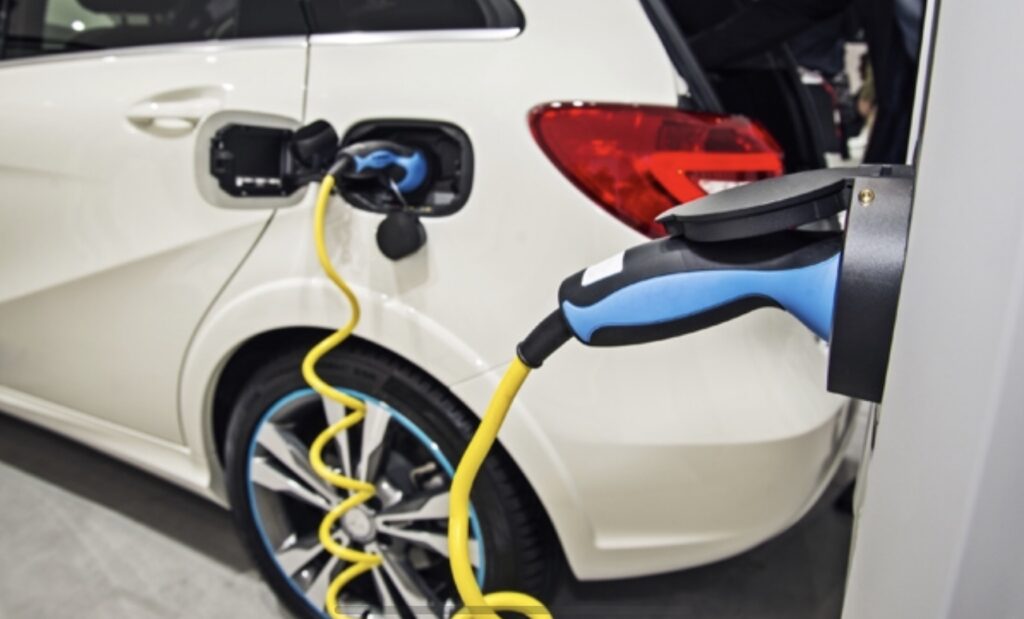
Charging an electric car at home is typically the cheapest and most convenient way to keep your vehicle powered. For a typical EV with a 60kWh battery and a range of approximately 200 miles, the cost of a full charge is around £13 to £15, based on the average UK domestic electricity rate of about 24.5p per kWh. This can vary depending on your energy provider and tariff. For example, switching to an EV-specific tariff, such as one with off-peak rates as low as 8p/kWh, can reduce costs significantly, potentially bringing the price of a full charge to under £5 for a 60kWh battery.
To calculate the cost for your specific EV, multiply the battery capacity (in kWh) by your electricity rate. For instance:
A smaller EV like the Mini Cooper Electric (33kWh) costs around £8.91 to fully charge at 27p/kWh.
A larger model like the Hyundai Ioniq 6 (77kWh) costs approximately £20.79 at the same rate.
Tips for Home Charging:
Consider installing a home wallbox charger (around £800–£1,000) for faster charging (7kW) compared to a standard three-pin plug (2.4–3kW).
Take advantage of off-peak tariffs to charge overnight when electricity rates are lower.
If you live in a flat or rental property, you may be eligible for a UK government EV Chargepoint Grant, covering up to 75% of installation costs (max £350).
Workplace Charging: A Cost-Saving Perk
Many UK employers are installing workplace charging points, and some offer free charging as a staff incentive, making it a cost-effective option. Others may charge a tariff, often time-based to encourage sharing of charging stations. Costs vary depending on the employer’s policy, but free charging at work can significantly reduce your EV running costs. If your workplace doesn’t yet have chargers, ask about the Workplace Charging Scheme (WCS), a government initiative that reduces installation costs for businesses.
Public Charging: Convenience at a Higher Cost
Public charging is essential for long journeys or for drivers without access to home charging. However, it is typically more expensive than charging at home. Costs vary based on the charger type (slow, fast, rapid, or ultra-rapid) and the operator. According to the Zapmap Price Index (August 2025), the average pay-as-you-go (PAYG) prices for public charging are:
Slow/Fast Chargers (7–22kW): 51p/kWh, equating to about 15p per mile.
Rapid/Ultra-Rapid Chargers (50kW+): 76p/kWh, or roughly 23p per mile.
For a typical 60kWh battery, a full charge at a public fast charger costs around £26, while a 30-minute rapid charge (adding ~90 miles) costs about £19. Some operators, like bp pulse, offer lower rates for subscribers (£0.44–£0.69/kWh) compared to contactless payments (£0.65–£0.89/kWh). Tesla Superchargers, for example, charge £0.44–£0.49/kWh for Tesla owners and £0.60–£0.67/kWh for non-Tesla EVs.
Tips for Public Charging:
Use apps like Zapmap or the Pod Point App to locate chargers and check tariffs before you travel.
Look for free charging at supermarkets (e.g., Sainsbury’s, Aldi, Lidl) or shopping centres, though these are often slower chargers.
Avoid rapid chargers for daily use, as they are pricier and not ideal for battery health.
Comparing EV Charging to Petrol/Diesel Costs
Charging an EV is generally cheaper than refuelling a petrol or diesel car, especially with home charging. For example:
A 200-mile journey in an EV charged at home (24.5p/kWh) costs around £13.
The same journey in a petrol car (e.g., Citroen C3, 52 MPG) at £6.32 per gallon costs approximately £16.40 (8.2p/mile).
However, heavy reliance on public rapid chargers can narrow this gap. For instance, charging a Hyundai Ioniq 5 from 10% to 80% at a public rapid charger (79p/kWh) costs £44.68, compared to £25.24 for a petrol Hyundai Tucson over 200 miles.
Additional Considerations
Battery Size and Efficiency: Larger batteries (e.g., 100kWh) cost more to charge (£27.20 at 34p/kWh) but often provide greater range. Check your car’s miles per kWh for efficiency.
Free Charging Opportunities: Some locations, like supermarkets or National Trust properties, offer free charging, though these are becoming less common.
Smart Charging: Charging during off-peak hours or when renewable energy is abundant can lower costs and environmental impact.
Installation Costs: A home charger installation costs £800–£1,000, but grants and salary sacrifice schemes can reduce this.
Conclusion
Charging an electric car in the UK is generally more affordable than running a petrol or diesel vehicle, especially if you charge at home with an EV-specific tariff. Workplace charging can be a cost-saving perk, while public charging offers convenience for a higher price. By planning your charging strategy and using tools like Zapmap, you can maximise savings and make the most of your EV. For more tips on EV ownership or to explore recovery options for electric vehicles, visit recoverycar.co.uk.
Disclaimer: Electricity prices and charging costs are subject to change. Always check with your energy provider or charging network for the latest rates.
Even a fully charged electric car can refuse to start if its small 12-volt battery goes flat. This battery powers the locks, screens and start-up systems, so when it fails the car can seem completely dead. A careful jump start of the 12V system often solves it. Our jump start service and electric vehicle recovery cover Woolwich, Greenwich, Plumstead and South East London, 24/7.
Manage Consent
To provide the best experiences, we use technologies like cookies to store and/or access device information. Consenting to these technologies will allow us to process data such as browsing behaviour or unique IDs on this site. Not consenting or withdrawing consent, may adversely affect certain features and functions.
Functional
Always active
The technical storage or access is strictly necessary for the legitimate purpose of enabling the use of a specific service explicitly requested by the subscriber or user, or for the sole purpose of carrying out the transmission of a communication over an electronic communications network.
Preferences
The technical storage or access is necessary for the legitimate purpose of storing preferences that are not requested by the subscriber or user.
Statistics
The technical storage or access that is used exclusively for statistical purposes.The technical storage or access that is used exclusively for anonymous statistical purposes. Without a subpoena, voluntary compliance on the part of your Internet Service Provider, or additional records from a third party, information stored or retrieved for this purpose alone cannot usually be used to identify you.
Marketing
The technical storage or access is required to create user profiles to send advertising, or to track the user on a website or across several websites for similar marketing purposes.