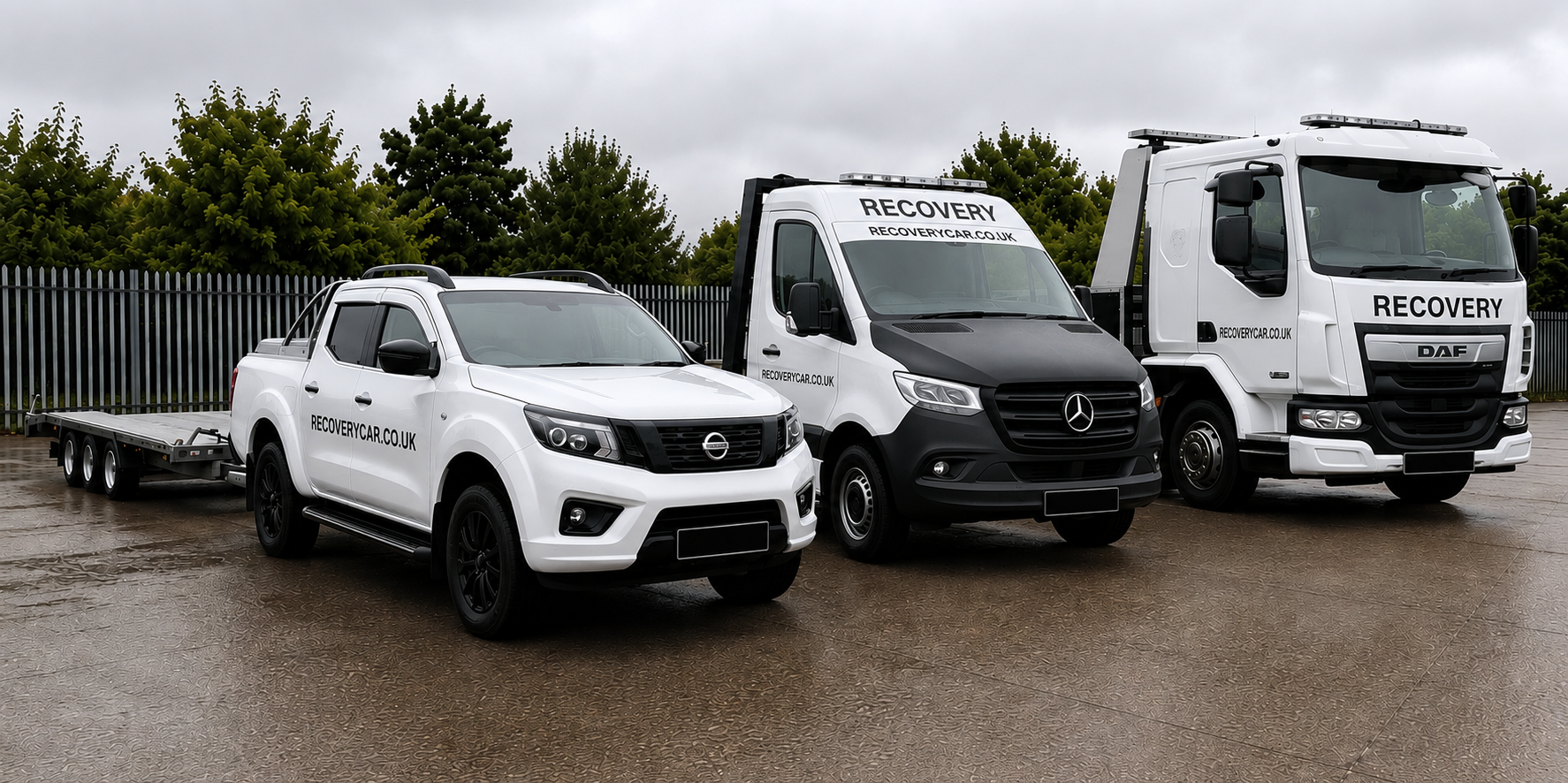
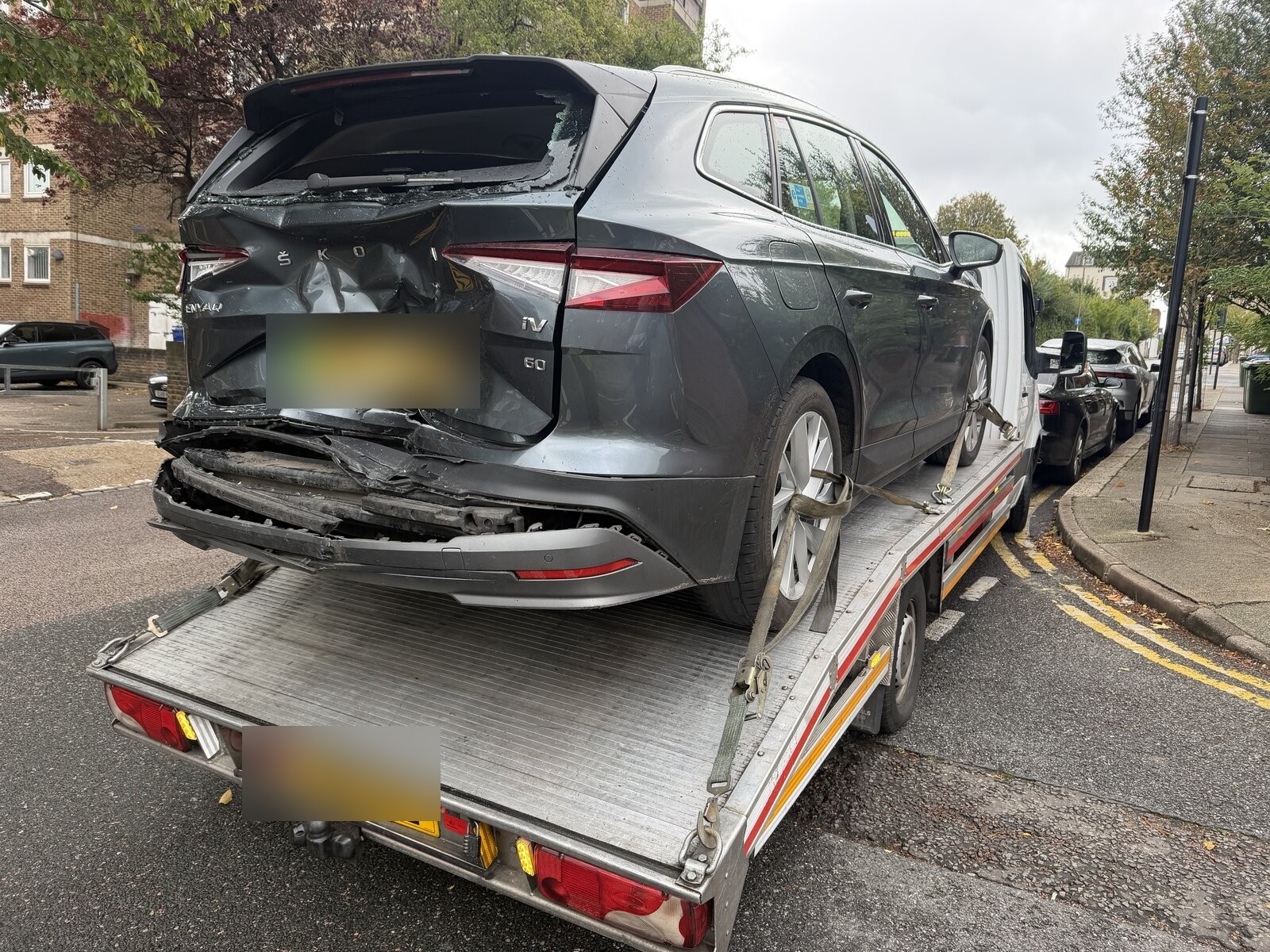
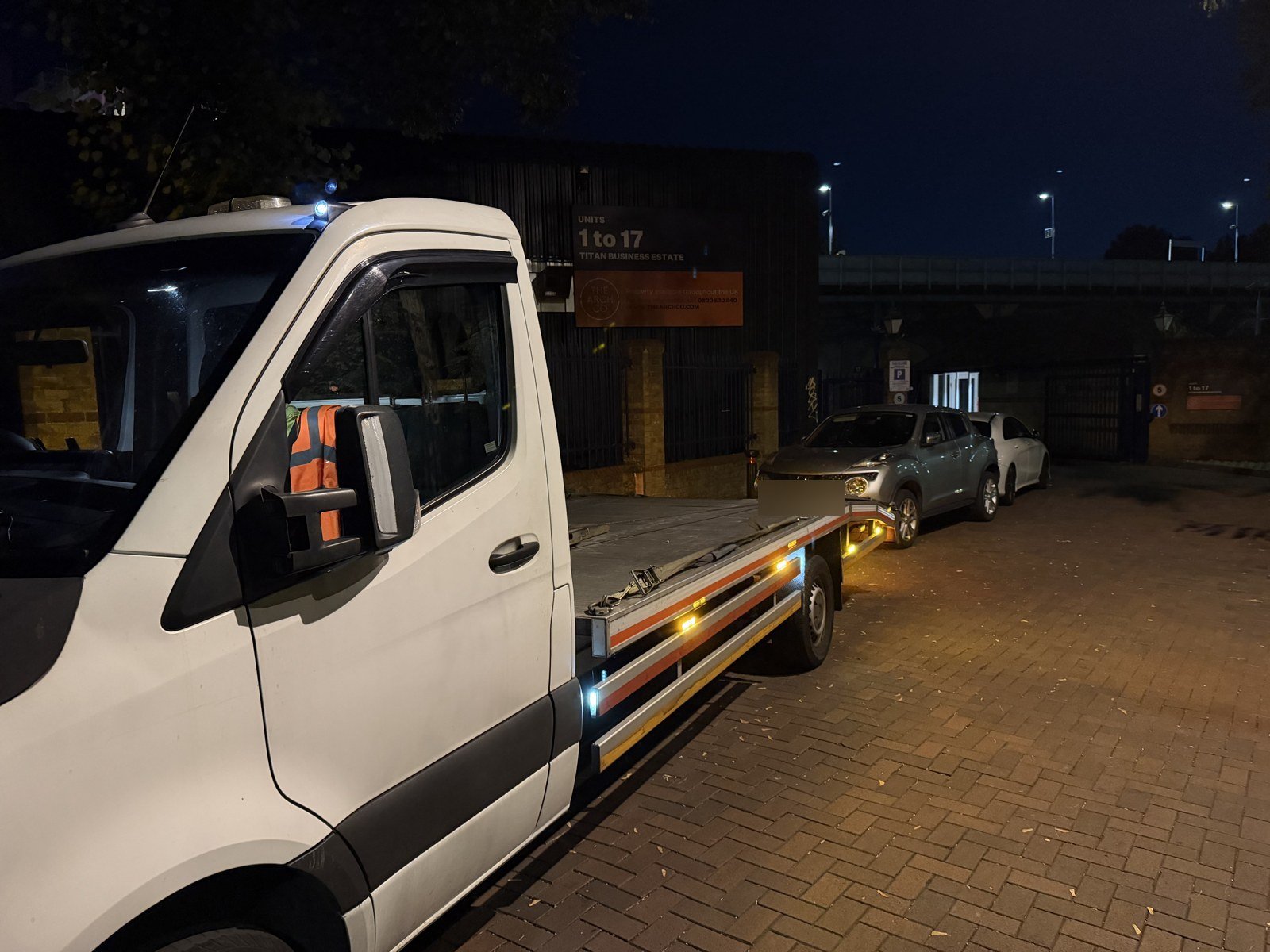
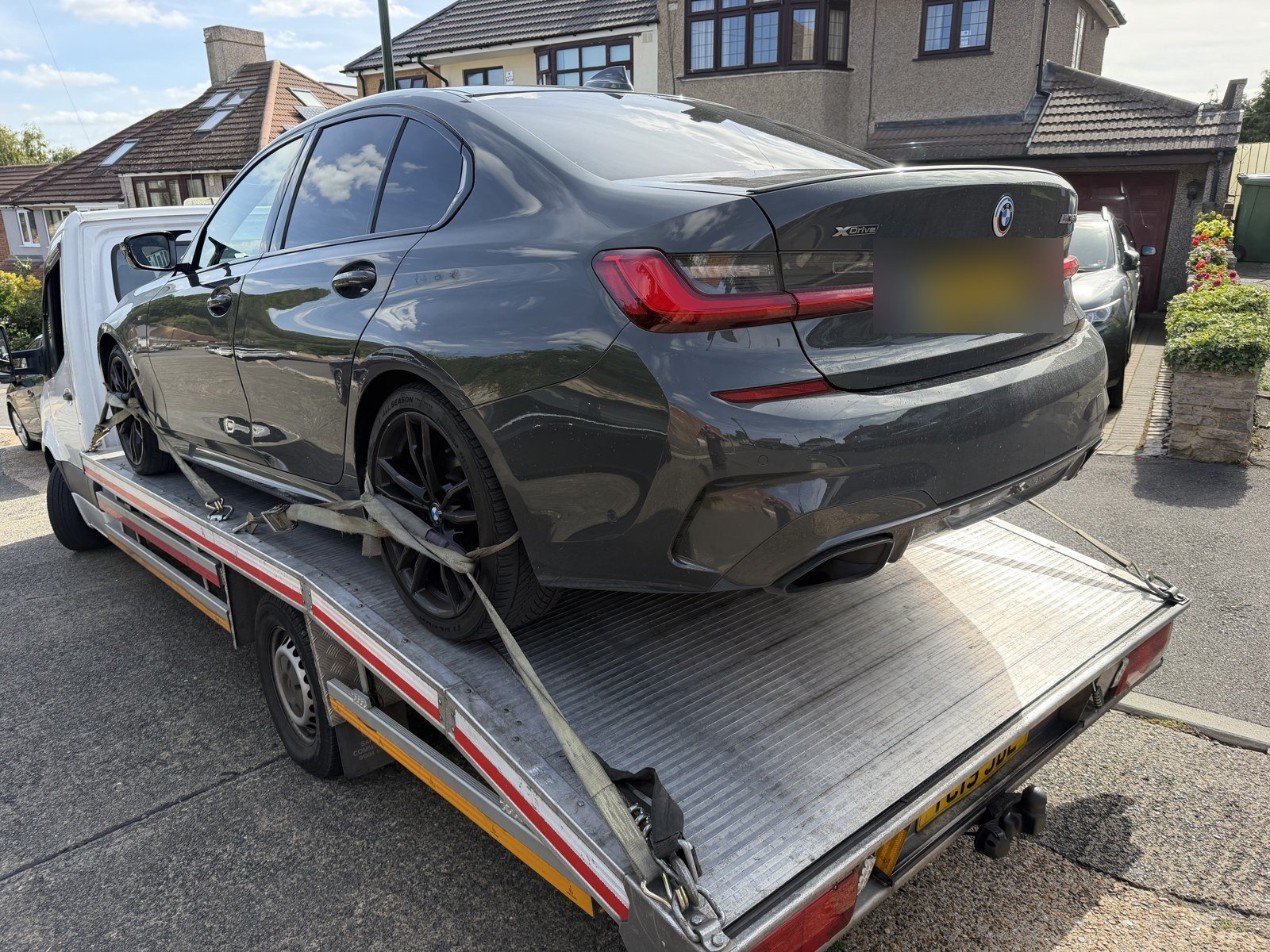
At Recovery Car UK, we provide fast, reliable, and affordable car towing services across South East London. Available 24/7, our experienced team handles all types of vehicles, from cars and vans to motorcycles, ensuring safe and efficient recovery during breakdowns, accidents, or roadside emergencies. Equipped with modern tow trucks, we offer prompt response times and transparent pricing with no hidden fees. Whether you’re in Greenwich, Lewisham, Bexley, or beyond, trust us for professional vehicle towing and recovery. Contact us today at recoverycar.co.uk or call +44 07547907000 for immediate assistance!
Electric vehicles are becoming a common sight across South East London, and breaking down in one comes with a few extra considerations compared to a petrol or diesel car.
Running out of charge isn’t the same as running out of fuel
You can’t just carry a can of electricity to the roadside. If your EV runs flat, it needs to be recovered on a flatbed to a charging point or your home — towing an EV with its wheels on the ground can damage the motor and regenerative braking system.
It Might Just Be the 12V Battery
EVs have a smaller 12V battery alongside the main traction pack, and it’s this one that can leave the car completely unresponsive if it goes flat – even with plenty of range left. Our team carries jump start kits suited to EVs and can often get you powered back up on the spot across South East London, without needing a full recovery.
Not every recovery truck can handle an EV safely
Standard tow trucks and dollies aren’t designed for the weight and drivetrain of an electric vehicle. Look for a recovery service with proper flatbed equipment and drivers trained in high-voltage safety procedures.
Can You Jump Start an Electric Vehicle?
Many EVs still have a 12-volt battery that runs the locks, screens and start-up systems. If that small battery goes flat, the car can appear completely dead even with plenty of charge in the main battery. A careful jump start of the 12V system can often solve it. Our jump start service and EV recovery cover Greenwich, Woolwich and South East London, 24/7.
What to do if your EV stops responding
Pull over safely, put your hazards on, and avoid touching any exposed cabling or damaged battery casing after a collision. Call for EV-safe recovery rather than attempting to restart or move the vehicle yourself.
Recovery Car provides EV-safe flatbed recovery across Greenwich, Woolwich, Plumstead, Peckham and the rest of South East London, 24 hours a day.
Broken down right now?
Call us for fast, friendly recovery anywhere in South East London — open 24/7.
Your car won’t start and the dashboard lights are dim or dead. Is it just a flat battery that needs a jump, or is the battery itself on its way out? Getting this right saves you a repeat breakdown a few days later.
Signs a jump start will sort it
If the car started fine yesterday, you left an interior light on overnight, or it’s been sitting unused for a couple of weeks, a flat battery is the most likely culprit. A jump start should get you going, and the alternator will top the battery back up as you drive.
Signs the battery itself needs replacing
If you’ve needed a jump start more than once in the past month, the engine cranks slowly even after charging, or the battery is more than 4–5 years old, it’s likely reached the end of its life. A jump will only buy you a day or two before it happens again.
Need a Jump Start in South East London?
If you’re unsure whether your battery just needs a boost or a full replacement, the safest first step is a professional jump start. We test how the car responds and give you honest advice about what to do next. Our jump start service covers Woolwich, Plumstead, Greenwich and the rest of South East London, 24/7, and we can arrange recovery if the car still won’t start.
Not sure which it is?
Our team carries battery testers on every call-out across Greenwich, Woolwich, Plumstead and South East London, so we can tell you on the spot whether a jump start will do or whether it’s time for a new battery — no guesswork.
How do I know if I need a jump start or a new battery?
If the car starts after a jump and keeps running, the battery may just be flat. If it goes flat again within a day or two, or will not hold a charge, it probably needs replacing.
How long should I drive after a jump start?
Drive for at least 30 minutes, ideally on faster roads, so the alternator can recharge the battery.
Do you do jump starts across South East London?
Yes. We do jump starts 24/7 across Woolwich, Greenwich, Lewisham, Eltham, Bexley and nearby areas. Call 07547 907000.
A flat tyre rarely picks a convenient moment. Whether you’re pulling out of Greenwich Park or stuck on the A205 in Woolwich, knowing what to do in the first five minutes makes all the difference — both for your safety and for how quickly you’re back on the road.
1. Get to a safe spot first
Don’t attempt to change a tyre on a live carriageway or a blind bend. Indicate early, slow down gradually, and pull into a car park, side street or wide verge wherever possible. Put your hazard lights on the moment you suspect a puncture.
2. Check whether it’s safe to change yourself
If you’re on a quiet residential street in Plumstead or Peckham with a spare and the right tools, a tyre change usually takes 15–20 minutes. If you’re anywhere near fast-moving traffic, on a slope, or without a proper spare, it’s not worth the risk — call for recovery instead.
Flat Tyre and a Flat Battery?
Waiting at the roadside with hazards and lights on while you deal with a puncture can quickly drain the battery. If the car won’t start once the tyre is sorted, our jump start service can get you going again. For tyres that can’t be changed safely at the roadside, we provide car recovery and towing across Woolwich, Greenwich, Plumstead and South East London, 24/7.
3. Know when to call a professional
Run-flat tyres, locking wheel nuts without the key, or a tyre that’s shredded rather than simply flat all call for a recovery specialist rather than a DIY fix. Our team covers Greenwich, Woolwich, Plumstead, Peckham and the rest of South East London around the clock.
Need a hand right now? Get in touch with Recovery Car for fast, fully insured flat tyre assistance, 24 hours a day, 7 days a week.
Broken down right now?
Call us for fast, friendly recovery anywhere in South East London — open 24/7.
What should I do if I get a flat tyre in South East London?
Pull over somewhere safe, switch on your hazard lights and get everyone out of the car away from traffic. Only change the wheel if it is safe to do so.
Can you help if I do not have a spare wheel?
Yes. If there is no spare or the locking wheel nut is missing, we can take the car on our flatbed to a tyre shop or your home.
Is it safe to drive on a flat tyre?
No. Driving on a flat can damage the wheel and make the car hard to control. Call us on 07547 907000 and we will move it safely.
How to Extend Your Car Battery Life in Winter: Tips for South East London Drivers
As the chill sets in across South East London, nothing disrupts your morning commute like a flat car battery on a frosty day. With winter breakdowns spiking by up to 20% in recent years, and flat batteries accounting for over 35% of call-outs during the colder months, it’s time to get ahead of the curve. At Recovery Car, your trusted car recovery specialists in South East London, we’re here to help you avoid the hassle of a car won’t start in cold weather scenario. Whether you’re in Bromley, Bexley, or Greenwich, our mobile jump start service arrives fast—often within 30 minutes—to get you back on the road. We also provide expert jump start services to ensure your vehicle is ready for winter. Don’t let a flat battery ruin your day; trust us for a reliable jump start.
In this guide, we’ll cover why car batteries go flat in winter, essential winter car battery tips, and why professional jump start car assistance from Recovery Car is the smartest choice for South East London drivers. Let’s dive in and ensure your vehicle stays reliable through the festive season and beyond.
Why Do Car Batteries Go Flat in Winter? Understanding the Cold Weather Impact
Cold temperatures are a battery’s worst enemy. As mercury drops below freezing—common in South East London winters—the chemical reactions inside your car battery slow down significantly. This reduces its cranking power by up to 60%, making it harder for your engine to turn over. Add in shorter days, more accessory use (like headlights and heaters), and the strain from icy roads, and it’s no wonder flat battery cold weather issues surge.
Common signs your car battery is dying in winter include:
Slow engine cranking or clicking noises when turning the key.
Dim dashboard lights or flickering during startup.
Your vehicle starts fine after a jump but dies again soon after.
According to recent UK breakdown data, over 440,000 winter call-outs stem from flat car batteries, with South East London hotspots like Lewisham and Croydon seeing the highest reports. Don’t wait for the first frost—test your battery now. A simple check at a local garage can reveal if replacement is needed before the big chill hits.
Top Winter Car Battery Tips to Prevent Flat Batteries in South East London
Prevention is better than a roadside breakdown on the A2 during rush hour. Here are our top flat battery prevention tips tailored for South East London commuters:
Park Smartly: Garages or covered spots beat street parking in Dartford or Orpington. Cold concrete saps heat faster, accelerating battery drain.
Short Trips? Use a Trickle Charger: Frequent low-mileage drives (under 20 minutes) don’t recharge your battery fully. Invest in a portable charger for overnight use.
Check Accessories: That always-on sat-nav or dash cam? They could be silent drainers. Turn off unused electrics and inspect for faulty wiring.
Oil and Fluids Matter: Thick cold oil strains your starter motor, indirectly taxing the battery. Ensure winter-grade oil and anti-freeze levels are topped up.
Battery Health Test: Visit a South East London auto shop for a free load test. If your battery is over three years old, consider proactive replacement—peace of mind for £50-£100.
By following these car battery winter maintenance steps, you can slash your risk of a dead car battery in cold weather. But if the worst happens, Recovery Car’s emergency jump start team is just a call away.
How Much Does It Cost to Charge an Electric Car in the UK?
How to Safely Jump Start a Car: DIY Guide for South East London Drivers
Knowing how to jump start your car battery can save time, but safety first—especially on busy South East London roads. Always have jumper cables and a willing helper with a running vehicle. Here’s a step-by-step:
Position Vehicles: Park nose-to-nose or side-by-side, engines off, hoods up. Ensure cables reach without straining.
Connect Cables: Clamp red (positive) to your dead battery’s positive terminal, then to the helper’s positive. Black (negative) to helper’s negative, then a metal ground on your car (away from the battery).
Start Helper Car: Let it idle for 2-3 minutes to transfer charge, then start your engine. Rev gently to 2,000 RPM for 30 seconds.
Disconnect in Reverse: Remove black first, then red. Drive immediately to recharge—aim for 30 minutes of highway driving.
Pro Tip: In sub-zero South East London temps, wear gloves to avoid shocks. If sparks fly or you smell acid, stop and call pros.
Remember, a successful DIY jump start works for temporary fixes, but repeated flats signal deeper issues like a failing alternator. That’s where our mobile battery jump start experts shine.
Why Choose Recovery Car for Jump Start Services in South East London?
When car jump start near me searches lead you here, Recovery Car delivers more than a quick boost. We’re South East London’s go-to for 24/7 roadside assistance, covering from Woolwich to Sidcup with flatbed towing if needed. Our trained techs handle everything from flat battery recovery to full diagnostics, all with transparent pricing—no hidden fees.
Rapid Response: 30-minute ETA in most areas.
All Vehicles Welcome: Cars, vans, 4x4s—up to 3.5 tonnes.
Winter-Ready Fleet: Equipped for icy conditions and heavy-duty jumps.
Last winter, we jump-started over 500 vehicles in South East London alone, preventing unnecessary tows. Don’t risk DIY mishaps—contact us for reliable London jump start service.
Stay Mobile This Winter: Book Your South East London Car Recovery Today
A flat battery in winter doesn’t have to derail your day. With Recovery Car’s expert jump start car services in South East London, you’re covered around the clock. From preventing car battery drain to on-site fixes, we’re committed to keeping you safe and moving.
Ready to winter-proof your ride? Call our 24/7 line at [insert phone number] or [contact form link] for a free quote. Visit [recoverycar.co.uk/jump-start-services] for more on our mobile car recovery options. Drive safe, South East London—winter’s coming, but we’ve got your back!
Keywords researched and optimized for: jump start car South East London, flat battery winter UK, mobile jump start service London, car won’t start cold weather, winter car battery tips, flat car battery recovery.
Call us now for free quote !!! 24 hours 07547907000. We’ll get back to you as soon as we can, also this number is recovery car services WHATSAPP number.
Our team is dedicated to providing efficient solutions, including our specialised jump start services designed for the winter season.
Our aim is to provide timely and efficient jump start solutions to keep your vehicle operational during winter.
Broken down right now?
Call us for fast, friendly recovery anywhere in South East London — open 24/7.
Jump Starts Across Woolwich, Greenwich and Plumstead
We provide fast jump starts throughout South East London, including Woolwich, Plumstead, Greenwich, Eltham, Charlton and Thamesmead, day or night. If you’re unsure whether your battery just needs a boost, our guide on jump start or new battery explains the signs, and if the car still won’t start, we can arrange car recovery in Greenwich or anywhere else locally.
Electric vehicles (EVs) are becoming increasingly popular in the UK as drivers look to save on fuel costs and reduce their environmental impact. But how much does it actually cost to charge an electric car? Based on insights from recoverycar.co.uk and other reliable sources, this post explores the costs associated with charging an EV at home, at work, and at public charging stations, helping you understand what to expect when making the switch to electric driving.
Charging at Home: The Most Cost-Effective Option
Charging an electric car at home is typically the cheapest and most convenient way to keep your vehicle powered. For a typical EV with a 60kWh battery and a range of approximately 200 miles, the cost of a full charge is around £13 to £15, based on the average UK domestic electricity rate of about 24.5p per kWh. This can vary depending on your energy provider and tariff. For example, switching to an EV-specific tariff, such as one with off-peak rates as low as 8p/kWh, can reduce costs significantly, potentially bringing the price of a full charge to under £5 for a 60kWh battery.
To calculate the cost for your specific EV, multiply the battery capacity (in kWh) by your electricity rate. For instance:
A smaller EV like the Mini Cooper Electric (33kWh) costs around £8.91 to fully charge at 27p/kWh.
A larger model like the Hyundai Ioniq 6 (77kWh) costs approximately £20.79 at the same rate.
Tips for Home Charging:
Consider installing a home wallbox charger (around £800–£1,000) for faster charging (7kW) compared to a standard three-pin plug (2.4–3kW).
Take advantage of off-peak tariffs to charge overnight when electricity rates are lower.
If you live in a flat or rental property, you may be eligible for a UK government EV Chargepoint Grant, covering up to 75% of installation costs (max £350).
Workplace Charging: A Cost-Saving Perk
Many UK employers are installing workplace charging points, and some offer free charging as a staff incentive, making it a cost-effective option. Others may charge a tariff, often time-based to encourage sharing of charging stations. Costs vary depending on the employer’s policy, but free charging at work can significantly reduce your EV running costs. If your workplace doesn’t yet have chargers, ask about the Workplace Charging Scheme (WCS), a government initiative that reduces installation costs for businesses.
Public Charging: Convenience at a Higher Cost
Public charging is essential for long journeys or for drivers without access to home charging. However, it is typically more expensive than charging at home. Costs vary based on the charger type (slow, fast, rapid, or ultra-rapid) and the operator. According to the Zapmap Price Index (August 2025), the average pay-as-you-go (PAYG) prices for public charging are:
Slow/Fast Chargers (7–22kW): 51p/kWh, equating to about 15p per mile.
Rapid/Ultra-Rapid Chargers (50kW+): 76p/kWh, or roughly 23p per mile.
For a typical 60kWh battery, a full charge at a public fast charger costs around £26, while a 30-minute rapid charge (adding ~90 miles) costs about £19. Some operators, like bp pulse, offer lower rates for subscribers (£0.44–£0.69/kWh) compared to contactless payments (£0.65–£0.89/kWh). Tesla Superchargers, for example, charge £0.44–£0.49/kWh for Tesla owners and £0.60–£0.67/kWh for non-Tesla EVs.
Tips for Public Charging:
Use apps like Zapmap or the Pod Point App to locate chargers and check tariffs before you travel.
Look for free charging at supermarkets (e.g., Sainsbury’s, Aldi, Lidl) or shopping centres, though these are often slower chargers.
Avoid rapid chargers for daily use, as they are pricier and not ideal for battery health.
Comparing EV Charging to Petrol/Diesel Costs
Charging an EV is generally cheaper than refuelling a petrol or diesel car, especially with home charging. For example:
A 200-mile journey in an EV charged at home (24.5p/kWh) costs around £13.
The same journey in a petrol car (e.g., Citroen C3, 52 MPG) at £6.32 per gallon costs approximately £16.40 (8.2p/mile).
However, heavy reliance on public rapid chargers can narrow this gap. For instance, charging a Hyundai Ioniq 5 from 10% to 80% at a public rapid charger (79p/kWh) costs £44.68, compared to £25.24 for a petrol Hyundai Tucson over 200 miles.
Additional Considerations
Battery Size and Efficiency: Larger batteries (e.g., 100kWh) cost more to charge (£27.20 at 34p/kWh) but often provide greater range. Check your car’s miles per kWh for efficiency.
Free Charging Opportunities: Some locations, like supermarkets or National Trust properties, offer free charging, though these are becoming less common.
Smart Charging: Charging during off-peak hours or when renewable energy is abundant can lower costs and environmental impact.
Installation Costs: A home charger installation costs £800–£1,000, but grants and salary sacrifice schemes can reduce this.
Conclusion
Charging an electric car in the UK is generally more affordable than running a petrol or diesel vehicle, especially if you charge at home with an EV-specific tariff. Workplace charging can be a cost-saving perk, while public charging offers convenience for a higher price. By planning your charging strategy and using tools like Zapmap, you can maximise savings and make the most of your EV. For more tips on EV ownership or to explore recovery options for electric vehicles, visit recoverycar.co.uk.
Disclaimer: Electricity prices and charging costs are subject to change. Always check with your energy provider or charging network for the latest rates.
Even a fully charged electric car can refuse to start if its small 12-volt battery goes flat. This battery powers the locks, screens and start-up systems, so when it fails the car can seem completely dead. A careful jump start of the 12V system often solves it. Our jump start service and electric vehicle recovery cover Woolwich, Greenwich, Plumstead and South East London, 24/7.
Manage Consent
To provide the best experiences, we use technologies like cookies to store and/or access device information. Consenting to these technologies will allow us to process data such as browsing behaviour or unique IDs on this site. Not consenting or withdrawing consent, may adversely affect certain features and functions.
Functional
Always active
The technical storage or access is strictly necessary for the legitimate purpose of enabling the use of a specific service explicitly requested by the subscriber or user, or for the sole purpose of carrying out the transmission of a communication over an electronic communications network.
Preferences
The technical storage or access is necessary for the legitimate purpose of storing preferences that are not requested by the subscriber or user.
Statistics
The technical storage or access that is used exclusively for statistical purposes.The technical storage or access that is used exclusively for anonymous statistical purposes. Without a subpoena, voluntary compliance on the part of your Internet Service Provider, or additional records from a third party, information stored or retrieved for this purpose alone cannot usually be used to identify you.
Marketing
The technical storage or access is required to create user profiles to send advertising, or to track the user on a website or across several websites for similar marketing purposes.